Showing posts with label The Fault in Our Stars. Show all posts

Sunday, June 8, 2014

Dear Adult Readers of YA Fiction: Shame on You!


Friday, box-office records were shattered as John Green fans flocked to the theaters for the premier of The Fault in Our Stars, the film adaptation of his mega-bestselling YA novel. If you haven't read the book yet and intend to, though, please make sure you are 17 or under. If not, you are an embarrassment to yourself and other adults everywhere. An embarrassment.

At least, that's the pronouncement by Ruth Graham, a writer who caused a bit of a stir with this article published in Slate magazine this week. In it, Graham wags the naughty stick at adult readers who play in the kiddie pool of YA fiction. As she bluntly puts it, "Adults should feel embarrassed about reading literature written for children." Marching straight out of Corinthians 13:11, she exhorts us to put away our childish ways and resign ourselves to our grim fates: nothing but a diet of literary broccoli sprouts for you, old readers! Fun times are over.


Some of our readers here might be surprised to find me less than sympathetic to Graham's attitude, since I've often professed my belief that reading challenging material stretches a person and reading junky books does not. I am not one who thinks reading, all by itself, is edifying. I would rather my kids sit down in front of quality television than curl up with Twilight. But I also think pleasure for pleasure's sake is a fine thing. In Graham's world, to the contrary, if you are getting pleasure from a YA book you're doing it wrong. "The very ways that YA is pleasurable are at odds with the way that adult fiction is pleasurable," she writes. One imagines Graham's "pleasurable adult fiction" existing in a lofty airless room, white and sterile, at the top of an ivory tower—with YA books relegated to a basement full of crayons and stuffed animals.

It is a measure of how parochial Graham's reading habits are that she has bifurcated the choice between these two extremes, and that she doesn't even think of other genres competing for the adult reader's attention. "If [adults] are substituting maudlin teen dramas for the complexity of great adult literature, then they are missing something," she writes. This is just silly: one imagines some serious woman with a sleek, silver bun and tiny spectacles wandering into a dusty bookshop in search of War and Peace and skipping out with aviator shades, a mohawk, and a copy of Why We Broke Up. Readers generally know what they intend to read. If they're keen on complex adult literature, they're unlikely to accidentally find themselves reading Harry Potter.


Not only is Graham worried about the bad effects on adults who read YA fiction, she is worried that teenagers will never graduate to the serious stuff. "I remember, when I was a young adult, being desperate to earn my way into the adult stacks," she writes. "I wouldn’t have wanted to live in a world where all the adults were camped out in mine ... But the YA and 'new adult' boom may mean fewer teens aspire to grown-up reading, because the grown-ups they know are reading their books." What? How does that even follow? First of all, I don't know why she was desperate (and apparently unable) to read adult books when she was young. The rest of us managed. I started reading Stephen King when I was about 13, and most of my friends were reading VC Andrews' Flowers in the Attic even before that. As for "real adult literature," that was hardly kept on a high shelf out of our reach. It was thrust upon us well before we could appreciate it—it was called "English class." Finally, Graham's entire premise is flawed: Just because an adult reads John Green does not mean a teenager will never go on to read Cormac McCarthy.


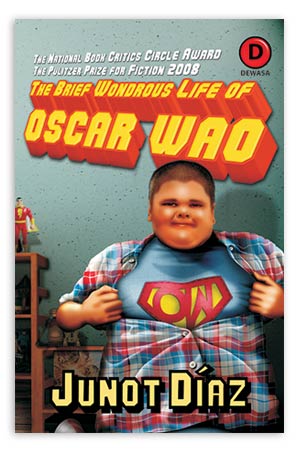
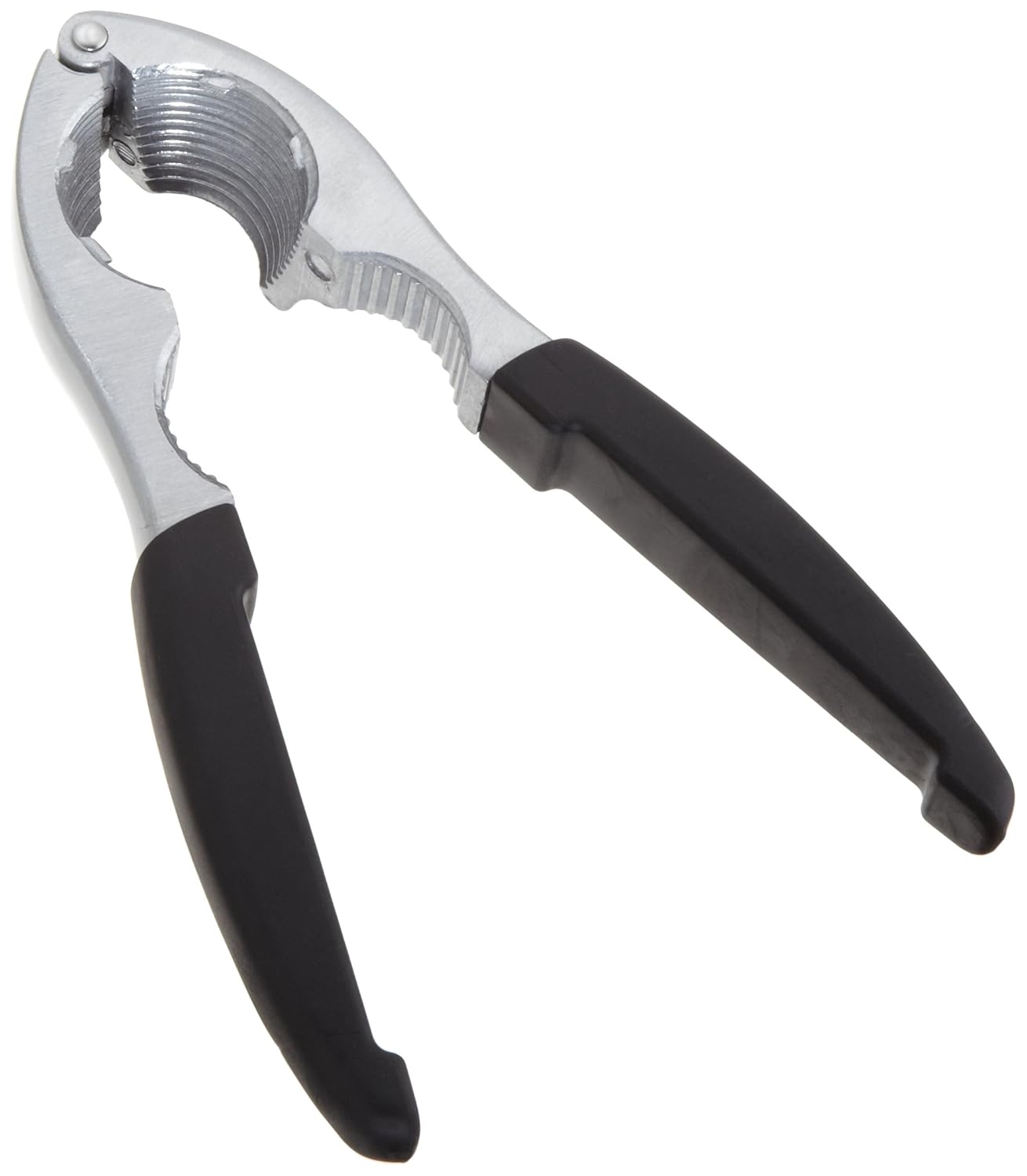
Cormac McCarthy, you say? That's not what Graham's talking about; that's not literature. Well, McCarthy won a Pulitzer for The Road, a novel as creepy as any Stephen King and as likely to be appreciate by a teen audience. Which underlines yet another problem with Graham's piece: the division between genres is often arbitrary. Salinger, with his angsty adolescent protagonists, would likely be marketed as YA today. And anyone who has read Junot Diaz (another Pulitzer winner) will have a hard time distinguishing his sex-crazed, profanity-spewing young protagonists from those produced by a YA writer. I've read dozens of award-winning adult literary books in the past few years that have caused me, here and there, to cringe. No so for Graham, apparently, who claims, "I think of John Updike and Alice Munro and other authors whose work has only become richer to me as I have grown older, and which never makes me roll my eyes." Really? Updike? The man who was notorious for writing terrible sex scenes? One example: "He loved it when she would clamp his face between her thighs like a nutcracker and come." Like a nutcracker. Not even a tiny eye roll for that one, Ms. Graham?


So I have a few guesses to make about Graham: she hasn't read Updike recently, she doesn't read much of what she's judging, and she doesn't have teenage kids. That final point is important, because most adults I know who read YA do so because their kids are reading it. It's conventional wisdom that teenagers want to be left alone, don't want adults listening to their music or reading their books, and Graham echoes this. But is it true? The teenagers I know, including my own kids and those of my friends, enjoy having cultural touchpoints in common with adults. Both my kids not only read many of the same books I do, but actively look to me for book suggestions. My oldest child, 16, reads YA but in the past year has also read The Poisonwood Bible, The Life of Pi, Oryx & Crake, Purple Hibiscus, The Kite Runner, and Never Let Me Go—voluntarily. Some teachers at her school formed an extracurricular book club, just for fun, and plenty of teens signed up. They read only literary fiction. Right now she is reading another John Green novel, but she's also reading this book by Joshua Greene.

If my kids didn't want me "camped out" in their book world, they probably wouldn't be recommending their own books to me, would they? And yet if they discover a book they love, they not only encourage me to read it, they sometimes pester me to. That's how I ended up reading The Fault in Our Stars, in fact: I was harassed into it—and glad to be. My daughter and I had a great time discussing it afterward, and now we're bugging little brother to read it. Although we might simply go to see it in the theaters...if Ruth Graham and the YA police will let me in.


Sunday, August 4, 2013

“Issue Books” for Kids

A common complaint I hear about YA and middle-grade novels lately is how saturated the market has become in "issue books." Whether it's drugs (Crank), facial deformities (Wonder), terminal cancer (The Fault in Our Stars), or losing a sister (The Sky is Everywhere), books for kids have gotten heavy.

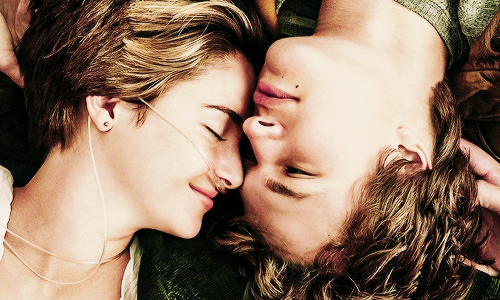
Hazel & Augustus from The Fault in Our Stars

And I think that's a good thing.

Kids are going through heavy stuff. Honestly, they always have — life doesn't wait until you're 18 to throw stones at you. I went through some heavy things myself, and I could have used a few "issue books" as comfort and guidance. Instead, my library had books about dragons and tesseracts, or cheesy teen romances that culminated in (gasp!) illicit kissing. Most of the novels in the "young readers" section of the bookshop seemed to be written by adults who had never been young themselves. Childhood is innocence, they seemed to say — and we must keep our hands over those pretty little eyes.

While the adults were writing for sweet Ophelia (pre Act IV), many of us were dealing with real slings and arrows of misfortune. I survived a fatal car accident, several friends were enduring sexual abuse, and a handful of my classmates found their lives so unbearable they committed suicide. For me, not only would a book like The Sky is Everywhere have helped me, but if my friends had read that book, they might have been more patient with my loud, unending, wrenching grief. They might have been able to stick with me, instead of running away in panic.

And vice-versa: when a close friend told me her stepdad was molesting her, it had pretty much never occurred to me parent-figures could do that. So before I learned to believe her, to listen, to support — I recoiled. If I had read a book about that particular horror — which is unfortunately common — I'd have had a frame of reference. I wouldn't have been so shocked, wouldn't have said so many wrong things. I might have been a better friend.

Wonder author RJ Palacio with 8th-grade fan Michelle
Fiction builds empathy. Steven Pinker even argues that fiction is one of the major causes of the decline of violence we've experienced. When we read about a character going through an experience, we incorporate their viewpoint for a while. We can't know absolutely what it's like to be a child bride, or a terminal cancer patient, or a gay teen with Pentecostal parents; but when we listen to stories of these people — real or fictional — we come closer. The empathy gap narrows, and those "strange" people no longer feel so strange or scary. We are less inclined to hurt or marginalize people we empathize with.

I am not saying there's no room for lighthearted fiction — and the glut of heavy books about specific issues threatens to exclude books about universal issues. What makes Are You There God? It's Me, Margaret such a perennial best-seller is its timelessness: every girl gets her period. We need books about relatable kids dealing with everyday problems. We also need silly-light books like Diary of A Wimpy Kid. Some emerging writers for kids and teens are being told by agents that unless their book has a dead parent* or a suicidal friend in it, they won't publish it. That's a shame, because even kids who are going through a bad time want, like all of us, to rest their hearts with other subject matter from time to time. Variety is good.

Steubenville rape case: real life is often worse than fiction

Some of my friends worry that books like Laurie Halse Anderson's Speak, about date rape, will be too upsetting for their child. They worry their son or daughter will be damaged by reading about such awful issues: their kid doesn't know about stuff like that, and they don't want them finding out about it from a book. To be sure, Speak is not appropriate for the elementary school set. But it might be more
appropriate for middle-readers than parents realize. Eighth-graders are teenagers; sexual assaults do happen in junior high. And anyway: how else do you want your kid finding out about date rape? First, innocence is not protective. Second, parents are typically unequipped to have serious discussions about these issues, unfortunately: too often we find ourselves saying, "Erm—don't do that, OK?" and moving swiftly onward to safer territory. That, or we get so preachy our kids tune us out. The parental voice is necessary, of course, but novelists who delve into these issues tend to do a lot of research on the subject, and can bring an honesty that readers will trust. If it's well done, an issue book will usually teach readers effective ways to handle difficulties.

Rather than be alarmed at the number of issue books out there, I believe we should celebrate the opportunities these books give kids: readers can dip their toes into lives less privileged than their own; they can get a taste of virtual sorrow before real sorrow hits them. Fiction is a gentle teacher, far gentler than experience: the bad stuff will happen. Stories give us a way to navigate those waters.

What do you think about the growth of the "Issue Book" industry? Are some issues overdone, or depicted badly? What's missing from the shelves? What book do you wish had existed when you were a kid?


*Speaking of dead parents — as kid issues go, that one's pretty rare, yet a huge number of realistic-YA books deal with this topic. Conversely, we have a dearth of books about child sexual abuse. We are starting to see novels about date rape, which is good — news stories like Steubenville illustrate the need to write about that topic. But child molestation is a different issue, and seems to be untouchable at the moment. Tens of thousands of children are sexually abused every year in the US, often by relatives, and they have no narrative right now. Novels about these kids not only will make them feel less alone, but will start conversations. Kids might even feel safer disclosing their secrets, and those who could help them will be more equipped to do so. A good novel about an issue can do more to help than a hundred PSAs.