|
| No dictator, no dystopia |
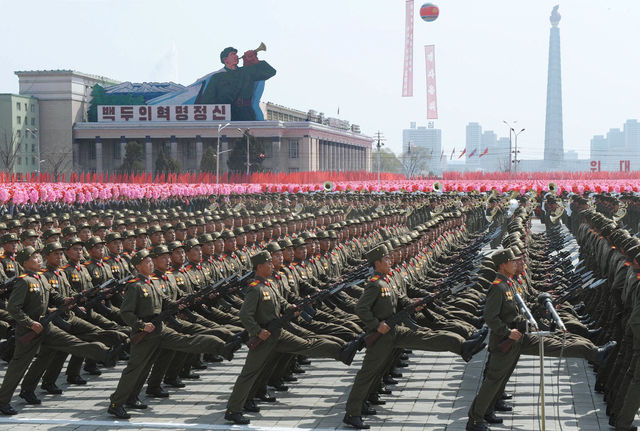
Dystopian fiction is usually about life under a repressive government. A utopia is an ideal society; a dystopia is not merely the opposite, but what happens when a government thinks it's got the answer to a perfect world and can only get there if it controls everyone and everything. Dystopias in real life (like the Soviet Union, like Taliban-controlled areas, like North Korea) are the result of rulers who try to bring utopias into fruition. In fiction, sometimes the higher aims of the repressive government are clear, sometimes it's not spelled out, but there's tyranny and the protagonist is trying to escape it. Dystopia is about social and political structures. The theme is revolution. Current examples: The Hunger Games, Divergent, Matched, On Such a Full Sea. Classic examples: Logan's Run, Do Androids Dream of Electric Sheep?, Alas Babylon, Brave New World.
 |
| From Princeton.edu |
Post-apocalyptic fiction is about life after catastrophe. Humanity has been decimated. Nuclear war is a popular antecedent, as is a superflu. Celestial events (moons wandering out of orbit, suns dying) are also useful for the end times. Unlike dystopian fiction, post-apocalyptic novels are typically more individualistic. There aren't many people left, so the survivors are trying to scrabble along through a blasted landscape. The antagonist is usually nature, not a government; when there are bad guys, they are usually feral humans, not dictators. The theme is survival. Current examples: The Road, The Age of Miracles, the Dog Stars, the MaddAddam trilogy, World War Z, The Passage, The 5th Wave, the Wool trilogy. Classic examples: War of the Worlds, The Stand, A Canticle for Liebowitz, I am Legend, and (if we include films) Planet of the Apes, Soylent Green, and Mad Max.
 |
| Dystopian: too much government Post-apocalyptic: not enough government |
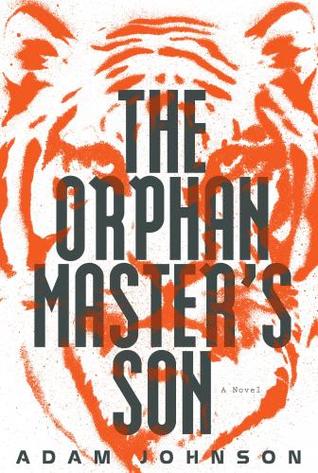
I suspect both genres remain popular because they are so unfortunately relevant. As the western US descends into ever-worse drought, with horrific wildfires blasting our landscape every spring and summer, the end times don't seem so far-fetched. Our climate is changing, an apocalypse that seems to creep up on us like a slow deadly tide. And dystopian: as I read Adam Johnson's near-perfect novel The Orphan Master's Son, about life in North Korea, I couldn't help but think that our dystopian novels describe reality for too many people. Read I Am Malala, A Thousand Splendid Suns, Half the Sky, A Long Way Gone, and Sold, and you realize that dystopian societies really exist, right now, in this world.
Both story forms serve as a warning. We are showing you these lives, so that you may take another path. Is it a surprise young people, who are tasked with cleaning up all the messes their forebears have created, are so drawn to this bleak futureland?
All those moments will be lost in time ...