Hi. I'm Stephanie, and I'm a nerd.
If you were born before 1970, you probably read that as a sort of whispered confession. If you were born after 1980, you probably read it as a boast. (In between? Depends on how tapped into pop culture you are.)
To be a nerd is no longer something to be ashamed of. Nerds are out, loud, and proud. We recognize fellow nerds immediately, not by the pocket protectors but by the
Firefly t-shirts and Star Wars stick-figure family decals on our cars. Nerd culture is a phenomenon that coalesced over the last decade, and it has less to do with social awkwardness and über-braininess than with shared interests. Nerds love the same things, and we love them passionately. Most of those things revolve around media: the TV shows, films, comic books, video games, and novels we consume.
 |
| Is your dog an AT-AT? Because mine definitely is. |
And that's where you come in, dear writer: nerds tend to love the certain stories, and build our culture around that shared love. If you drop a
Doctor Who reference into a crowded room, you can spot the nerds as the ones who respond automatically and joyfully to the reference. Start singing "
The Hero of Canton" and any proper nerd will be compelled to sing along with you. Anything that comes up routinely in
The Big Bang Theory results in an almost Pavlovian response from nerds.
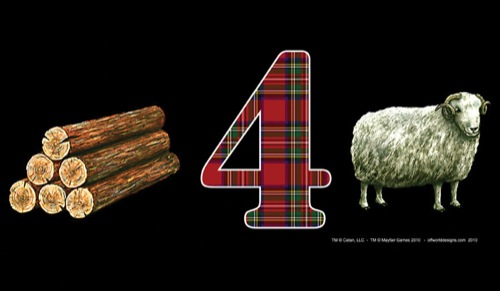 |
| If you get this reference, you are a nerd. |
To get into the Nerd Canon, you'd probably have to write speculative fiction, which of course narrows things down considerably. But spec-fic isn't just sci-fi:
Game of Thrones and
Lord of the Rings, both longstanding staples of nerddom, are fantasy. Firefly is space fiction, not science fiction. Comic books are huge for many nerds (if you want to find the single biggest concentration of nerds in one place, attend a ComicCon), and are arguably speculative fiction. But much of nerd culture does center around sci-fi: Star Trek and its associated rabid fandom was really the progenitor of nerd culture as a cohesive thing.
 |
| ComicCon cosplay |
When a few of my nerd friends came across John Scalzi's
Redshirts, it became almost a requirement that the rest of us read it. Same for Ernest Cline's
Ready Player One. I discovered Hugh Howey's
Wool series earlier this year, recommended it, and within weeks it seemed all my nerd peeps had acquired and read at least the first book. Robin Sloane's
Mr. Penumbra's 24-Hour Bookstore only has the barest hint of speculative fiction, but is
about nerds—and became widely read by that demographic.
From a marketing perspective, the best thing about nerds is that we are both obsessive and we often have resources to devote to those obsessions. Whether you are a consumer of nerd content or a creator of that content, you're part of a powerful (and growing) economic and cultural force. Chances are, even if you don't self-identify as a nerd, your entertainment is being shaped increasingly by those who do cheerfully consider themselves part of this influential culture.
How about you? Do you self-identify as a nerd? Do you see nerddom as changing the face of popular culture?


